09 430 3406
 administrator@tiaho.org.nz
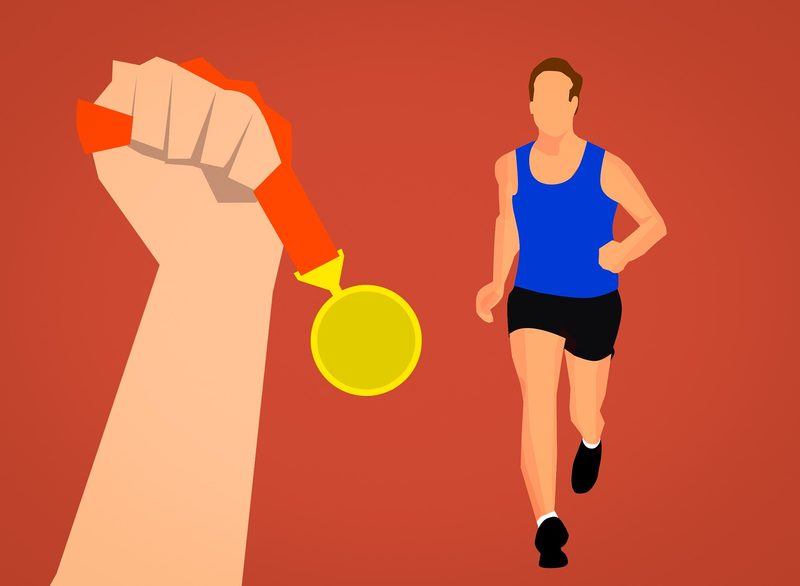
New Zealand has been collecting Commonwealth Games medals at such a rate lately that it’s becoming increasingly difficult to keep up. Every time I switch on the television another Kiwi seems to be standing on a podium, looking overwhelmed and triumphant.
I suspect my enthusiasm for the Commonwealth Games stems from a rather confused sense of identity. I was born in Fiji, which gives me at least a tenuous Commonwealth connection, although I don’t remember much about it as we left when Fiji became independent in 1970 (do the maths if you like!). If my affection for the Commonwealth sounds a little old-fashioned, I can only apologise.
I enjoyed the irony of King Charles stepping out of the TARDIS. I enjoyed the sugarised version of The Proclaimers ‘500 Miles’. I didn’t enjoy the Aussies continually winning in the pool maybe it’s their extensive shark evasion training. We all have our flaws.
Whatever your views on the monarchy or the Commonwealth itself, there’s something undeniably satisfying about watching New Zealand consistently punch above its weight. We’re a nation of just over five million people, yet somehow we compete with countries many times our size and, more often than not, come away with a healthy collection of medals.
One of the most pleasing changes over the years has been the growing prominence of para sport.
Before going any further, however, can I clear up one of the most common misunderstandings? “Para” doesn’t mean paraplegic. It comes from the Greek word meaning “beside” or “alongside”. Para sport exists alongside mainstream sport. The Paralympic Games run in parallel with the Olympic Games, and para events within the Commonwealth movement sit alongside the Commonwealth Games. They are elite sporting competitions in their own right.
Words matter because they shape how we think.
Thankfully, public understanding has improved enormously. So has media coverage. It wasn’t that long ago that para athletes struggled for a mention unless they achieved something extraordinary. Today they’re celebrated alongside their non-disabled teammates. They feature in television highlights packages, newspaper headlines and social media feeds. Young disabled people can now grow up seeing athletes who they can relate to being recognised for sporting excellence rather than simply being described as “inspirational.”
That’s genuine progress, and it’s worth celebrating.
But watching all these medal ceremonies leaves me wondering why we are so good at celebrating disabled New Zealanders in sport while remaining remarkably poor at measuring how disabled New Zealanders are doing in everyday life.
We know about the medals our para athletes have won. Yet we still don’t routinely collect the disability data needed to understand whether disabled people are receiving equitable healthcare, whether health outcomes are improving, or where barriers continue to exist.
It’s an odd contradiction.
We rightly spend a great deal of time discussing gender inequalities. We measure pay gaps, workforce participation, educational achievement and leadership representation because we understand that good policy depends on good information.
Yet disability often seems to disappear from the conversation altogether.
The same applies to employment. We know disabled New Zealanders experience significantly poorer employment outcomes than the general population, yet those inequalities rarely command the headlines or sustained public debate that other forms of inequality rightly receive.
What gets measured gets managed. What gets reported gets noticed. And what gets noticed is far more likely to change.
Our para athletes have shown New Zealand what inclusion can look like when talent is recognised and opportunity is provided. Their success deserves every headline and every medal ceremony.
Now imagine if we showed the same determination to understanding and addressing the inequalities disabled people face long after the closing ceremony.
That would indeed be record breaking!
Jonny Wilkinson is the CEO of Tiaho Trust Disability A Matter of Perception, a Whangarei based disability advocacy organisation.
This article has been previously published in the Northen Advocate.